


Poetic Justice Project
Mission
The Poetic Justice Project (PJP) advances social justice through the transformative power of the arts. We create opportunities for individuals impacted by incarceration to share their stories, develop artistic skills, and connect with communities through original theatre, visual arts, and creative writing. Our work is grounded in safe, supportive, and educational environments that foster healing, dignity, and growth.
Vision
Founded in 2009 by the late visionary artist and advocate Deborah Tobola, the Poetic Justice Project began as a partnership with the William James Association to support formerly incarcerated people in creating and performing original theatre. What started as a bold experiment has become a vibrant community of artists transforming the narrative around incarceration and reentry.
At Poetic Justice Project, we believe in:
Creativity as a catalyst for healing and transformation
Community as a foundation for reentry and renewal
The right of every person to be seen, heard, and valued
Today, our work includes both in-prison programming and post-release opportunities for returning artists. We build bridges between people impacted by incarceration and the broader public—fostering empathy, understanding, and change through the arts.
PJP Founder
Deborah Tobola was an artist, advocate, and one of the first to recognize the profound impact of creative expression on the lives of those incarcerated. She founded the Poetic Justice Project (PJP) in 2009 with the belief that art could be a powerful vehicle for transformation, not only for the individual artist but for the community at large.
Deborah's journey began with her work in California’s Arts in Corrections program, where she saw firsthand how art gave people incarcerated a new sense of identity, purpose, and healing. She knew that the arts provided a way for those inside to process trauma, explore emotions, and develop new paths forward. But she also saw that when individuals were released, there was often a lack of continued creative support—leaving many without a place to cultivate their newfound artistic skills or reintegrate into a supportive community.
Determined to change that, Deborah envisioned a program that could serve as a bridge between the prison experience and reentry. The Poetic Justice Project became that bridge, offering formerly incarcerated artists a space to share their stories, engage with the public, and continue developing their craft. Under her leadership, the project flourished, creating an enduring legacy of healing through creativity.
Deborah often said, “The arts provide a unique opportunity to reclaim one’s voice. It’s about more than just telling a story—it’s about reclaiming humanity and building a community that sees you as more than your past.” Her vision and commitment to social justice continue to guide the work of the Poetic Justice Project, inspiring both the artists involved and the communities they serve.
What We Do
Theatre at CMC
At California Men’s Colony, PJP offers creative writing and theatre workshops where participants explore identity, collaboration, and storytelling. These workshops often culminate in performances, giving participants a platform to express their lived experiences and imagine new possibilities. With an emphasis on process over product, we center healing, belonging, and opportunity—while supporting artists in developing their voices, skills, and careers.
PJP Artist Stories
John discovered painting, writing, and performance while incarcerated. After release, he exhibited his artwork locally and joined a community theater group. “I started feeling confident. I started feeling proud of this transition. I am changed.”
Cliff co-wrote a play in prison that brought together people across deep divides. “That’s when I knew the power of art. That’s when I knew what I wanted to do with my life.”
Jorge began reading and writing in a juvenile facility and never stopped. “Books opened my eyes to the real world. The small world I came from was just a grain of sand.”
In Memoriam: Leonard Flippen
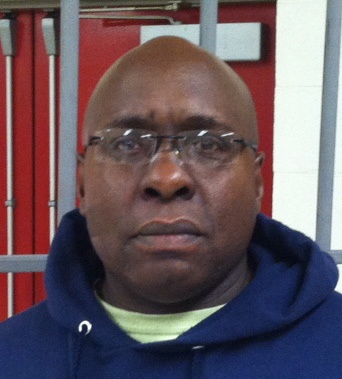
Leonard David Flippen IV (1961–2021) navigated a life shaped by both hardship and transformation. Raised in a military family, his world changed dramatically when he moved to Atlanta, where the absence of a father led him to a life of crime and gang involvement. Despite these struggles, Leonard’s journey was one of resilience, and through his involvement with the Poetic Justice Project, he found a path to healing and redemption. His story of growth and mentorship continues to inspire, demonstrating the power of second chances and the ability to transform one’s life through art.
