










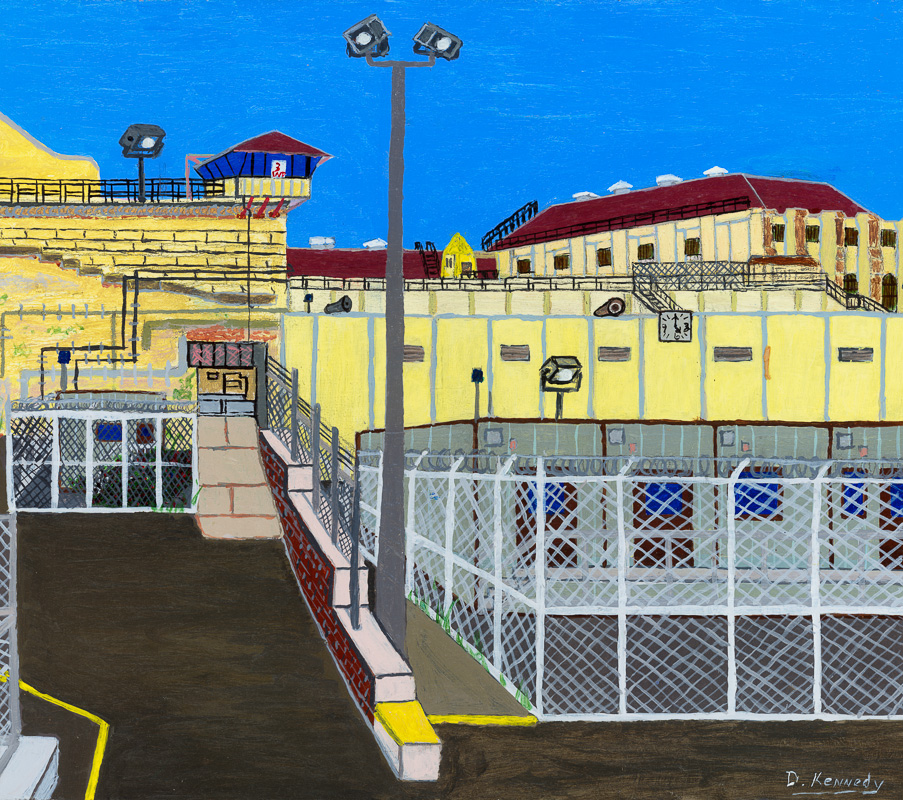
Prison Arts Project

Community

Impact
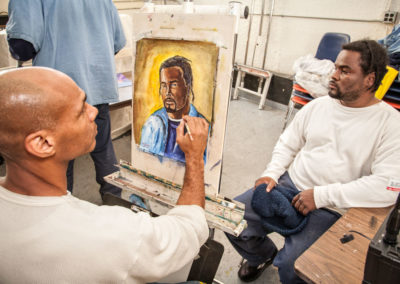
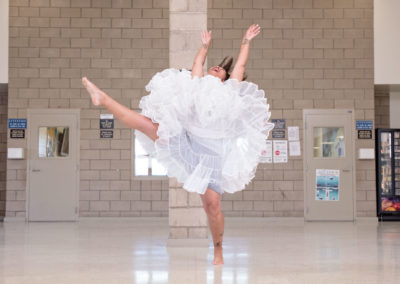
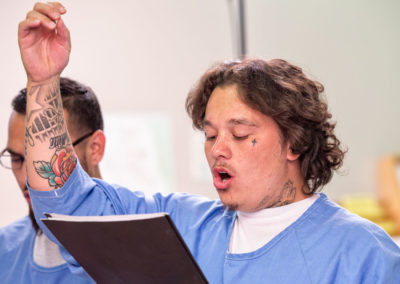
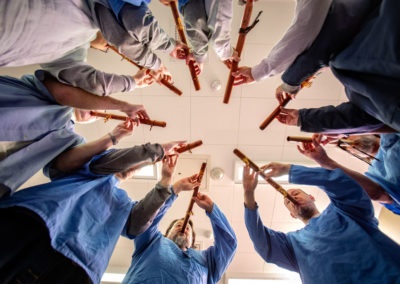
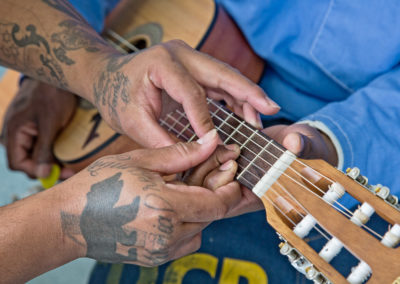
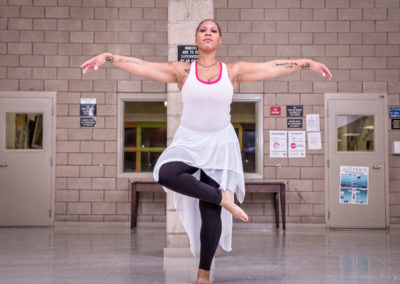
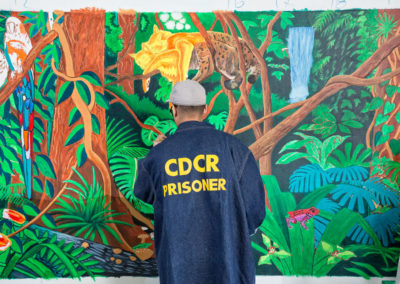
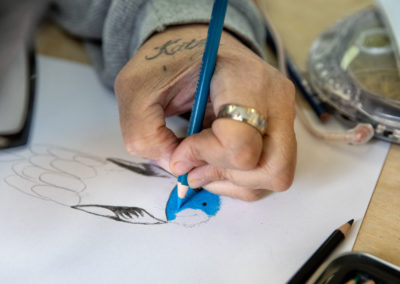
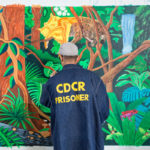
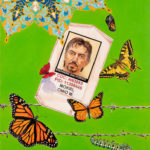
The practice of making art cultivates transformation and improves lives. Creative engagement helps Returning Residents to rejoin our communities with a greater sense of self-worth, confidence, and resilience that supports them in rewriting the ending to their story.
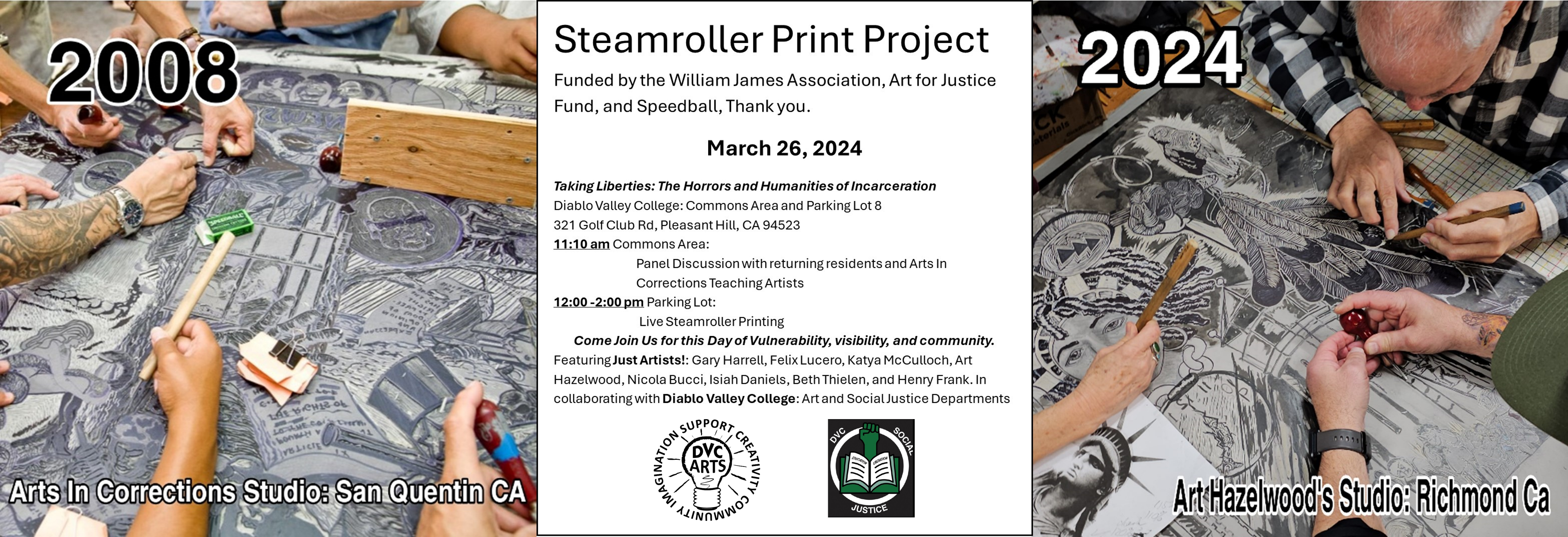
Steamroller Print Project Event
TAKING LIBERTIES: THE HORRORS AND HUMANITIES OF INCARCERATION JUST ARTISTS!, William James Association Tuesday, March 26, 2024 11:10 am Commons: Panel discussion: Arts in Corrections with returning residents and instructors 12:00 - 2:00 pm Parking Lot 8: Live...
Celebrating 50 years + Change of Venue!
ATTENTION: CHANGE OF VENUE! We are now meeting on Sunday, December 17th at Barrios Unidos, located at 1807 Soquel Ave, Santa Cruz, CA, 95062. The William James Association staff and board invite you to join us in celebrating fifty years of fostering arts, environment,...
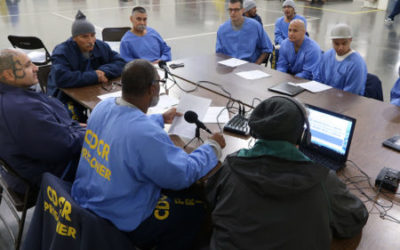
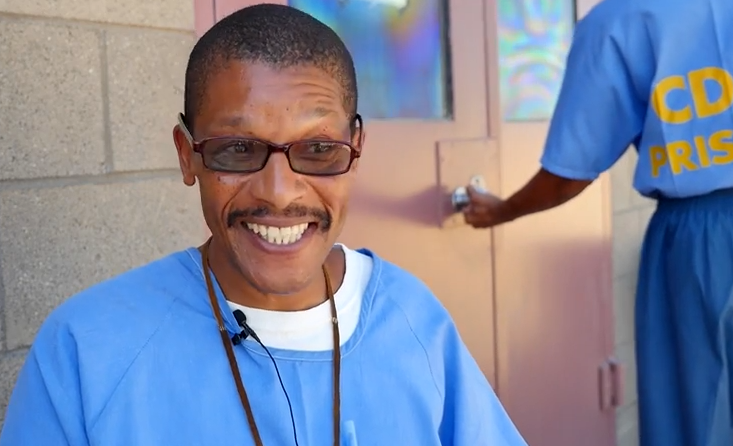
Pelican Bay UNLOCKED, Episode 4: World On Fire
Pelican Bay UNLOCKED, Episode 4: World On Fire Calls from prison are always poignant. You do what you can to dispel the distance and connect with the thin, tinny voice coming at you over institutional wires. You share lives and days and hopes and fears--even...
Current Programs
The Prison Arts Project
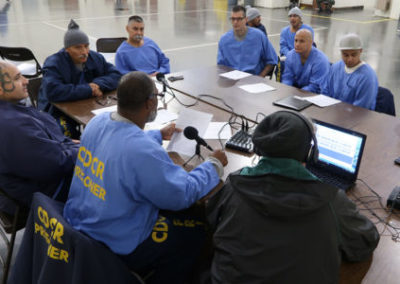
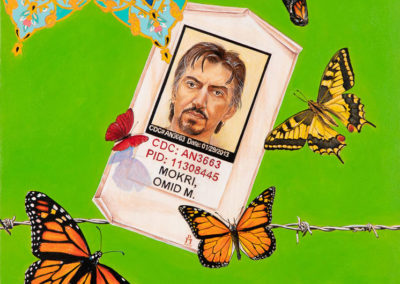
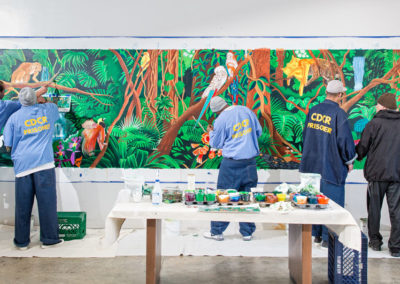
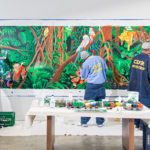
WJA contracts with the best professional artists to provide in-depth, long-term arts experiences for incarcerated men and women. Begun in 1977, the program selects and hires professional visual, literary and performing artists to teach in California state prison facilities through Arts in Corrections, an innovative fine arts program developed in association with the California Department of Corrections and Rehabilitation and the California Arts Council.
Since 2013, WJA has been part of a team of California arts organizations that have revitalized AIC through a series of initiatives and pilot programs. As of 2017, each of California’s 35 prisons has an established fine arts program serving incarcerated students. Our organization sponsors arts programs that help prepare students for a successful return to their community through classes that reconnect them with their families, teach social and communication skills through theater and creative writing, and give participants opportunities to contribute to their community through the arts.
Research indicates that participants in the Prison Arts Project are less likely to have disciplinary problems while in prison, and are more likely to be successful upon parole. Our current research project suggests that art classes provide a safe haven for incarcerated artists to learn and create art with others, build bridges between races and cultural groups, and help students maintain connections with their family.
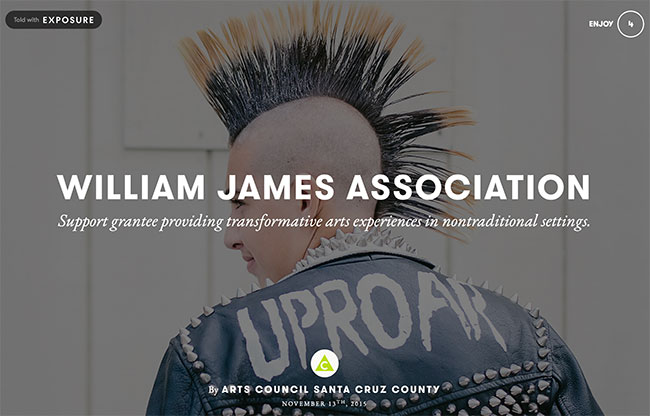
The Community Youth Arts Project contracts with professional artists to work with disenfranchised and “high-risk” youth in alternative schools and detention facilities in and around Santa Cruz, CA. The program received national recognition in 1997 as a recipient of the BRAVO art and film cable TV network’s “Arts for Change” Award.
 Poetic Justice Project is dedicated to the creation of original theatre that examines crime, punishment and redemption.
Through passionate collaboration of formerly incarcerated writers, artists, musicians and actors, we produce ground-breaking theatre that challenges and transforms our culture. The Poetic Justice Project was adopted in 2009 as a program of the William James Association.
Working with the Santa Cruz Sheriff’s Department and the Santa Cruz County Office of Education, WJA holds arts classes in our local jails. Recent changes in state law (AB109) mean that people can be incarcerated for longer terms in our jail systems. We believe that they should have access to the transformative power of the arts through regular fine arts classes.
Fiscal Sponsorships
The William James Association Fiscal Sponsorship Program assists emerging nonprofit groups and community organizations by providing grant-related administrative support, tax-exempt status, and fiscal sponsorship.
Current affiliates include: